ASG Superconductors based in Genoa, Italy, was recently awarded the contract to build one of the three magnets for the international Mu2e (Muon to electron) experiment at Fermilab, which will study
the conversion of muons to electrons. The contract reflects the successful partnership between fundamental research and industrial research. Mu2e is part of the international research programme to study rare process that violate the law of lepton number conservation and cannot be explained by the Standard Model of elementary particles, and so require us to push the frontiers of our current knowledge. The Mu2e collaboration comprises approximately 200 scientists from 33 institutions in five countries: the US, Italy, Russia, Germany and the UK. The superconducting magnet system is at the heart of the experiment and will have a key role in its performance. The transport solenoid produced by ASG is the central of the three magnets and is made up of 27 modules. It’s task is to select and separate the negatively and positively charged particles. It is long enough to allow all the particles that produce spurious signals to decay and thus create a “pure” beam of negative muons. The solenoid prototype was developed by the INFN team in Genoa and features the use of innovative construction technology. The module, produced by ASG Superconductors within the specified time and budget constraints, was subsequently tested at Fermilab, where it was found to exceed its performance specifications.
the conversion of muons to electrons. The contract reflects the successful partnership between fundamental research and industrial research. Mu2e is part of the international research programme to study rare process that violate the law of lepton number conservation and cannot be explained by the Standard Model of elementary particles, and so require us to push the frontiers of our current knowledge. The Mu2e collaboration comprises approximately 200 scientists from 33 institutions in five countries: the US, Italy, Russia, Germany and the UK. The superconducting magnet system is at the heart of the experiment and will have a key role in its performance. The transport solenoid produced by ASG is the central of the three magnets and is made up of 27 modules. It’s task is to select and separate the negatively and positively charged particles. It is long enough to allow all the particles that produce spurious signals to decay and thus create a “pure” beam of negative muons. The solenoid prototype was developed by the INFN team in Genoa and features the use of innovative construction technology. The module, produced by ASG Superconductors within the specified time and budget constraints, was subsequently tested at Fermilab, where it was found to exceed its performance specifications.

The record neutrino observed by KM3NeT
07 February 2025
Read more The record neutrino observed by KM3NeT
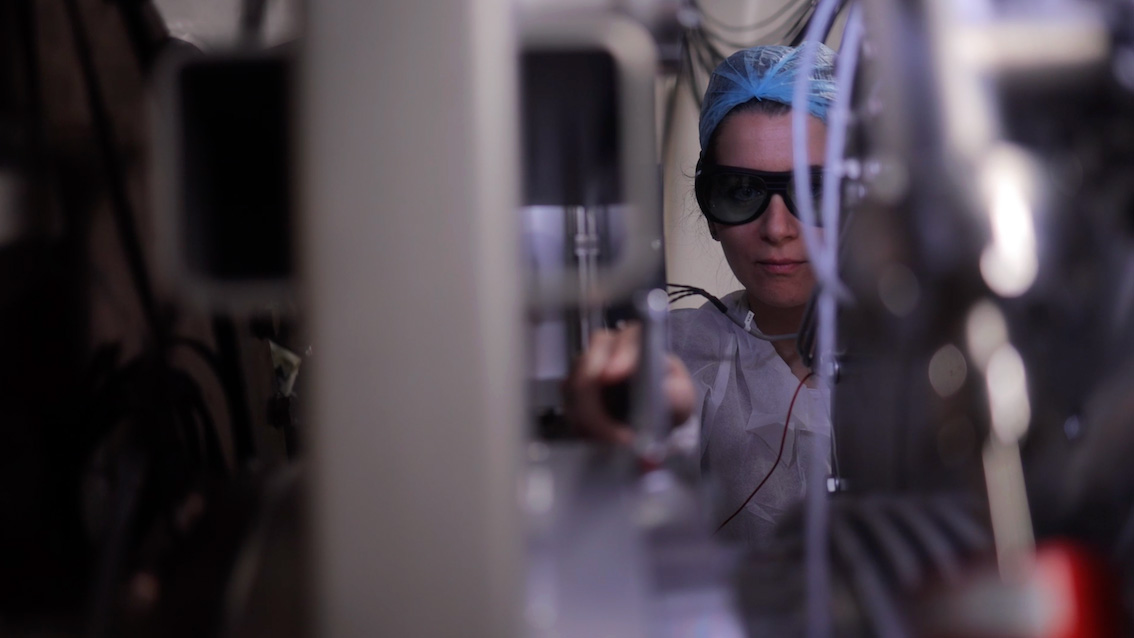
INFN celebrates the STEM WEEK and the International Day of Women and Girl in Science 2025

International Year of Quantum Science and Technology, 2025
03 February 2025
Read more International Year of Quantum Science and Technology, 2025

A new generation of plastic scintillators thanks to 3d printing
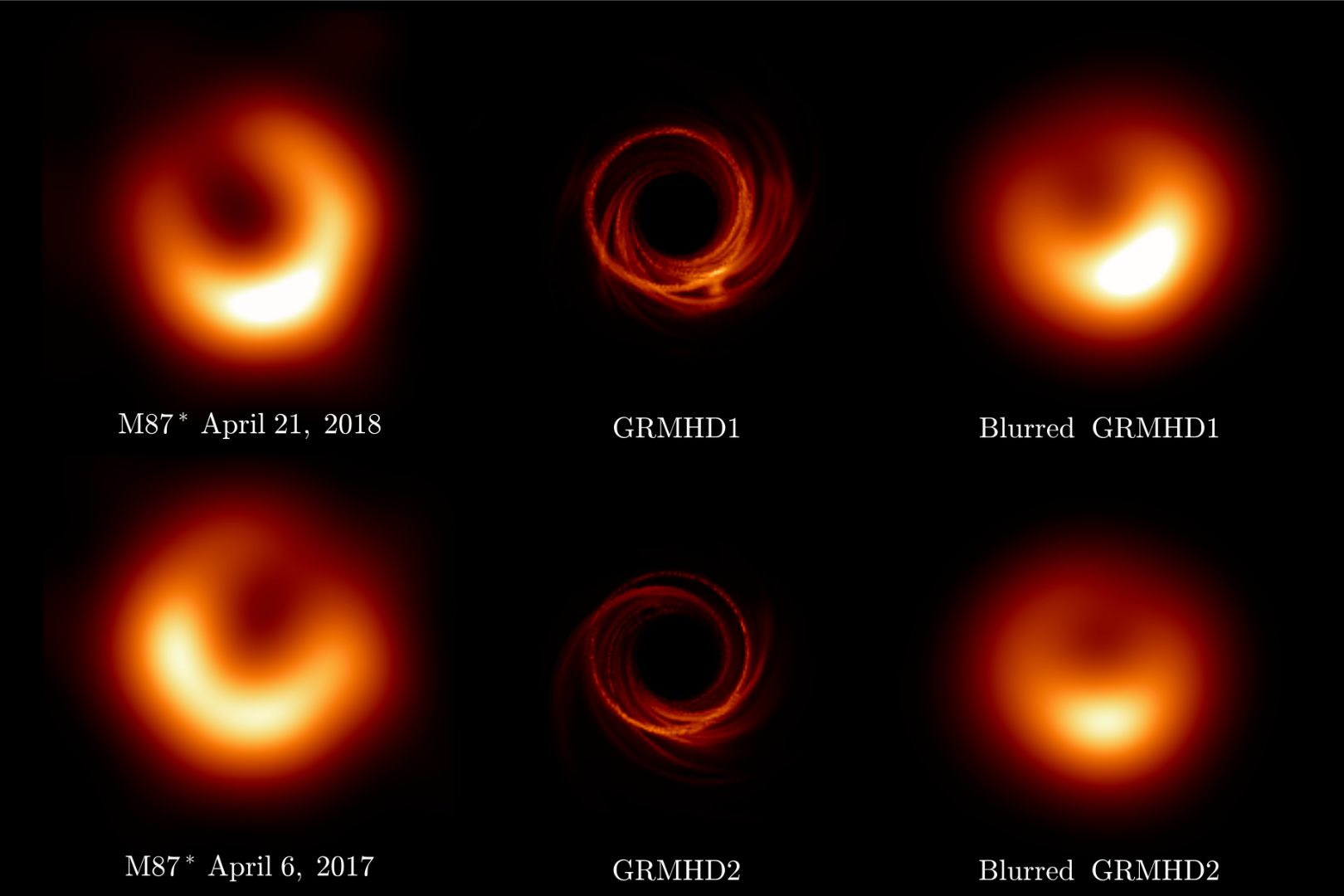
Capturing the accretion flow of M87* black hole
22 January 2025
Read more Capturing the accretion flow of M87* black hole