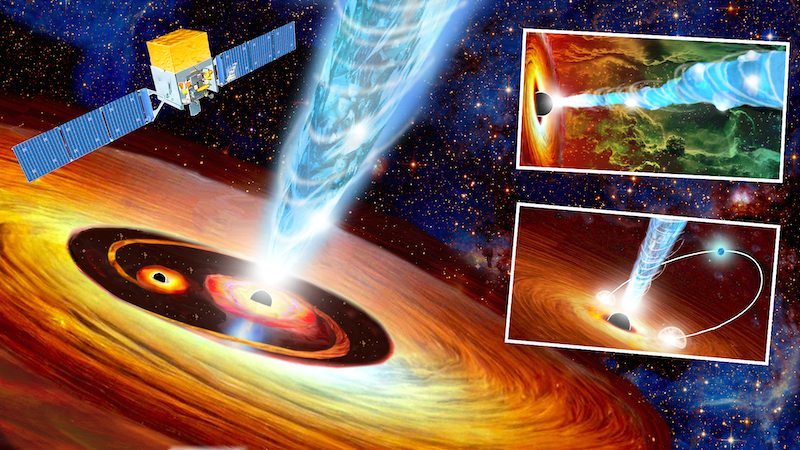
On 23 November, LST-1, the first large telescope of the Cherenkov Telescope Array (CTA) – inaugurated in October 2018 in La Palma, in the Canary Islands – detected its first gamma source by targeting the famous Crab Nebula, considered to be the “standard candle” of high energy astrophysics. This is LST-1’s first detection of a real gamma-ray source, after the “first light” detected by the telescope on the evening between 14 and 15 December 2018. Already from the first analyses of the data collected it was possible in this second event to identify a clear high energy photon (between 20 and 200 GeV) signal coming from the Crab Nebula.After having developed and refined the analysis tools for over a year on Monte Carlo simulations, this result confirms that the tools and the analysis chain, to which INFN contributed significantly, work properly and are able to provide the first scientific results.LST-1 is the first of four Large Size Telescopes that will be present at the two CTA observation sites located in the two hemispheres, one on the island of La Palma (Canary Islands, Spain) and the other near the ESO site of Paranal in Chile.The LST telescopes will be essential for detecting high-energy gamma rays and, thanks also to their fast targeting capability, will study the weakest and most distant sources and transient phenomena, in particular gamma-ray bursts.This first result was also achieved thanks to the significant contribution of INFN and of the various Italian universities involved in the CTA project which, although still in the completion phase, with this success of LST-1, takes an important step forward and opens the way to acquisition of the first scientific data.

The record neutrino observed by KM3NeT
07 February 2025
Read more The record neutrino observed by KM3NeT
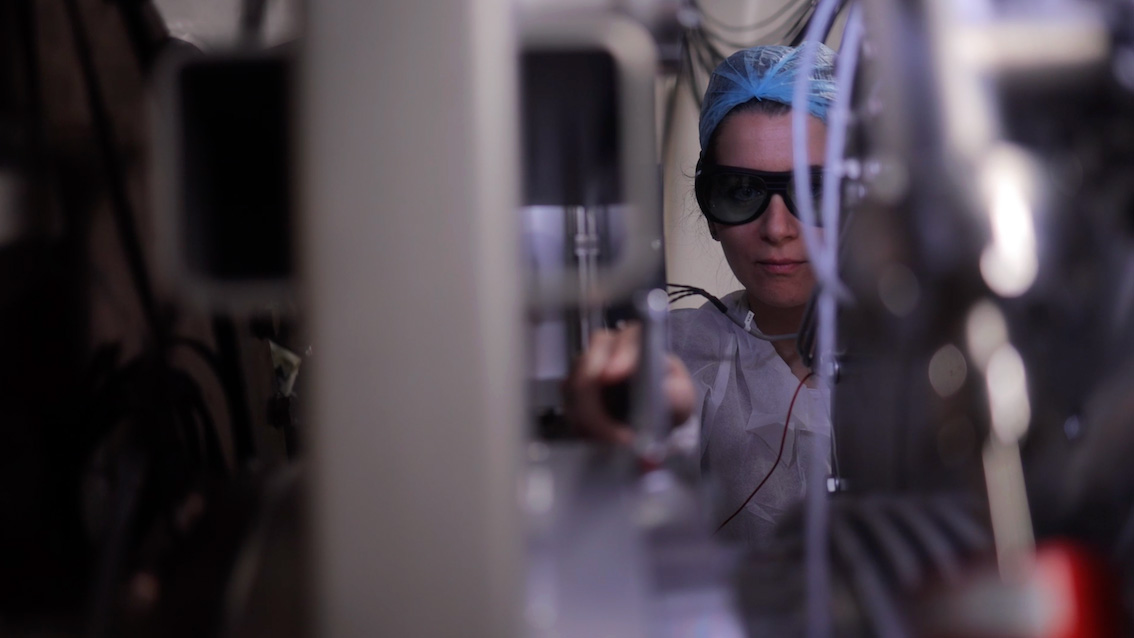
INFN celebrates the STEM WEEK and the International Day of Women and Girl in Science 2025

International Year of Quantum Science and Technology, 2025
03 February 2025
Read more International Year of Quantum Science and Technology, 2025

A new generation of plastic scintillators thanks to 3d printing
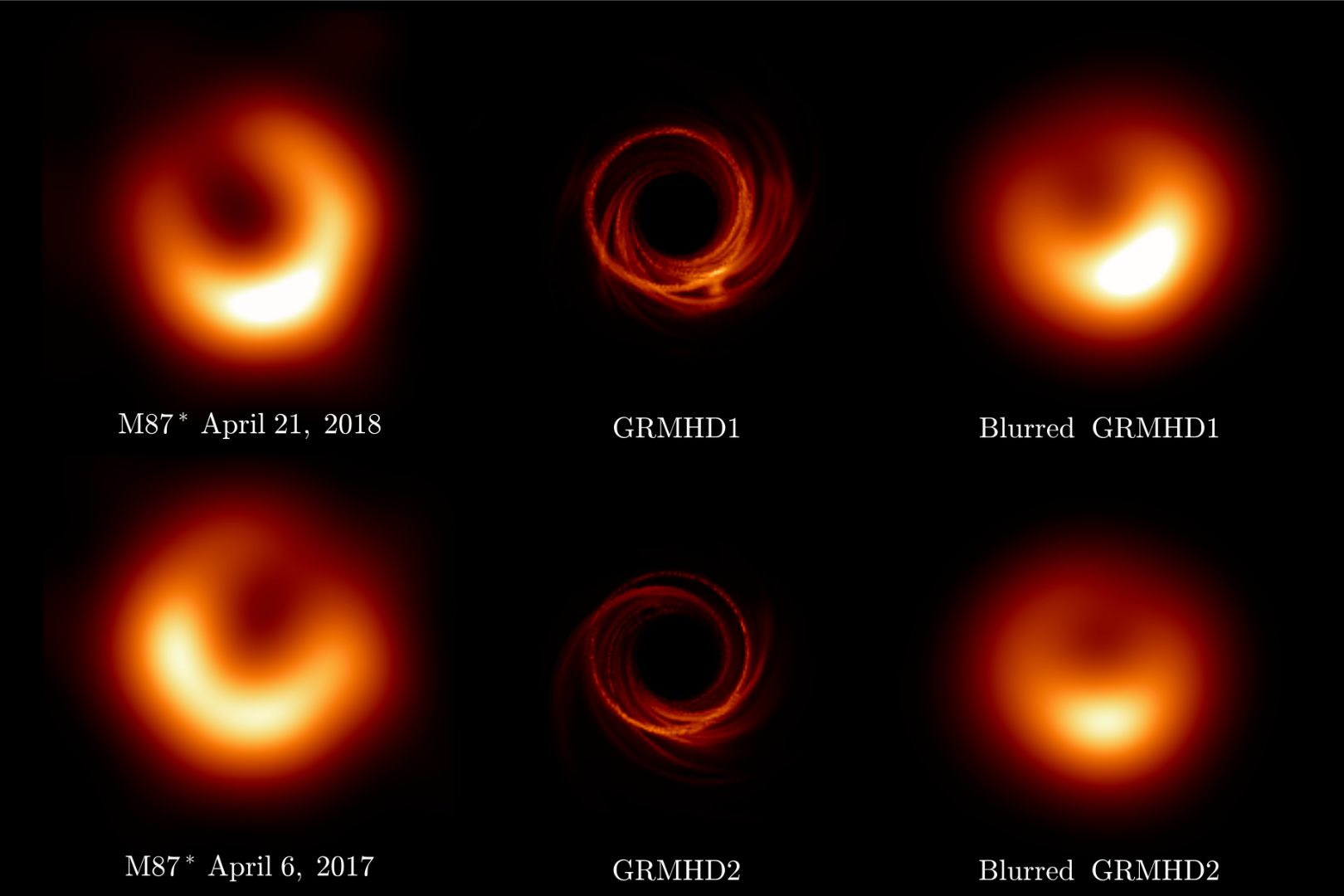
Capturing the accretion flow of M87* black hole
22 January 2025
Read more Capturing the accretion flow of M87* black hole