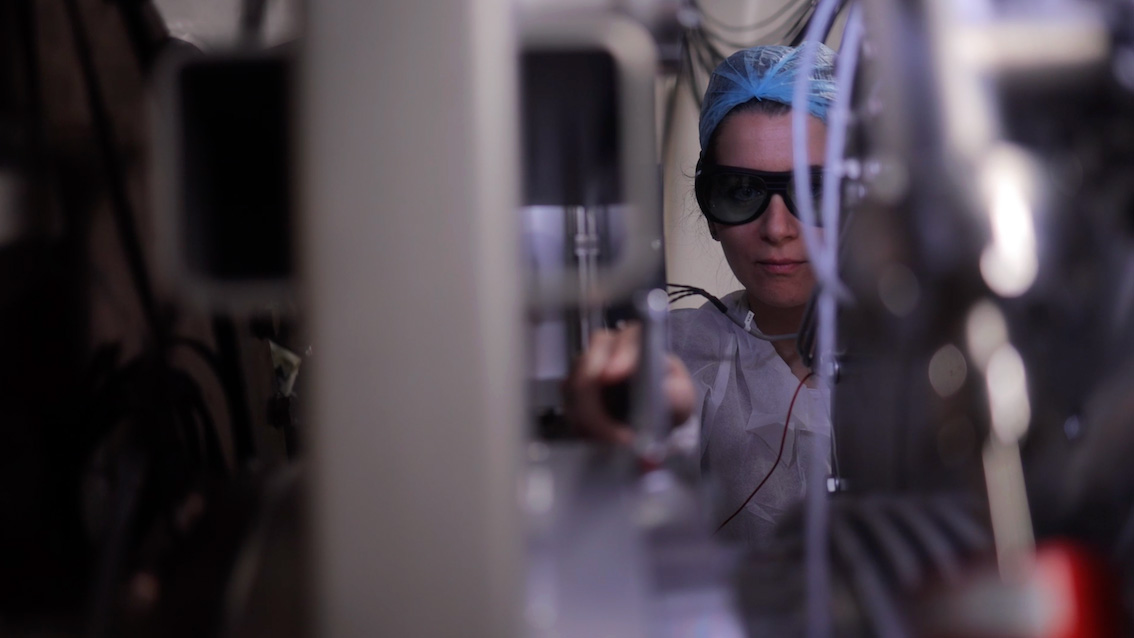
During its last meeting, the 1st National Scientific Committee of INFN which coordinates the research activities of the institute in the field of high energy physics, elected Nadia Pastrone as Chairperson.
Nadia Pastrone, originating from Asti with a classical education, is married with two children, has a Ph.D. and has worked at the INFN in Turin since 1988. Firstly at the Fermilab (Chicago, USA) and then at CERN (Geneva, Switzerland) she carried out research in particle physics with accelerators, as part of major international collaborations: from 2001 she participated in the CMS (Compact Muon Solenoid) experiment at the Large Hadron Collider (LHC) at CERN, a collaboration involving over 2,000 physicists from 40 different countries. After the construction and installation of the giant experimental device, with the commissioning of the accelerator, CMS collected data that led to the discovery of the Higgs boson (Nobel Prize 2013). Mrs Pastrone, in the period 2012-2014, managed 300 Italian physicists involved in the CMS experiment and is currently working on the project of the equipment for the new phase of the LHC in 2025. He has held scientific teaching, coordination and communication posts, and published approx. 500 papers in international journals. Recently, thanks to a regional project, she created a large radio-tomographic device for the cultural heritage at the Conservation and Restoration Centre of La Venaria Reale. In 2014 she received the Ravani Pellati Prize for Physics from the Turin Academy of Sciences.

The record neutrino observed by KM3NeT
07 February 2025
Read more The record neutrino observed by KM3NeT
INFN celebrates the STEM WEEK and the International Day of Women and Girl in Science 2025

International Year of Quantum Science and Technology, 2025
03 February 2025
Read more International Year of Quantum Science and Technology, 2025

A new generation of plastic scintillators thanks to 3d printing
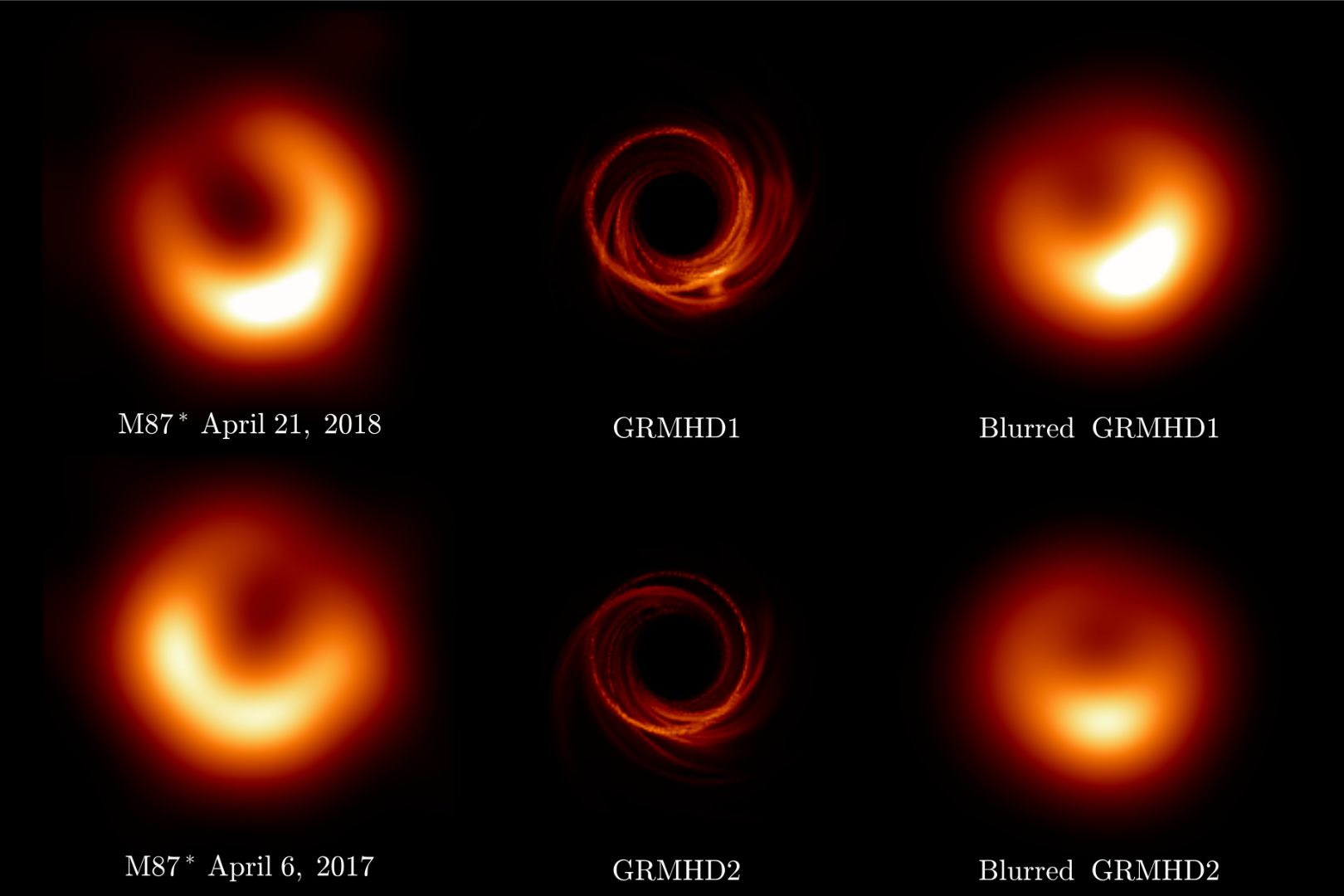
Capturing the accretion flow of M87* black hole
22 January 2025
Read more Capturing the accretion flow of M87* black hole