The first complete string of the KM3NeT neutrino telescope was installed on the seabed and connected to the shore in December. This marks the start of the construction of the experiment, which will be the biggest astrophysical neutrino detector in the northern hemisphere. It will occupy more than a cubic kilometre of seawater and comprise a network of several hundred vertical detection strings, each of which will be 700 metres tall and host 558 photomultipliers, the “eyes” of the detector. KM3NeT is an international collaboration in which Italian scientists, coordinated by the INFN, are on the front line. It is among the projects under selection for the new ESFRI (European Strategy Forum on Research Infrastructures) roadmap. The string, wound like a ball of wool, was transported to the KM3NeT-Italy site about a hundred kilometres off the coast of southern Sicily. It was then lowered into the water, anchored to the seabed at a depth of 3500 metres and connected to a junction box using a remotely operated submarine controlled from the boat. The junction box is connected by a 100 kilometre cable to the shore station located in Portopalo di Capo Passera in Sicily. The “ball” was then unwound and the structure assumed its definitive vertical “string” shape, kept taut by a submerged buoy. As soon as the string was powered on, the instruments at the shore station started to receive the first data from the particle sensors.

The record neutrino observed by KM3NeT
07 February 2025
Read more The record neutrino observed by KM3NeT
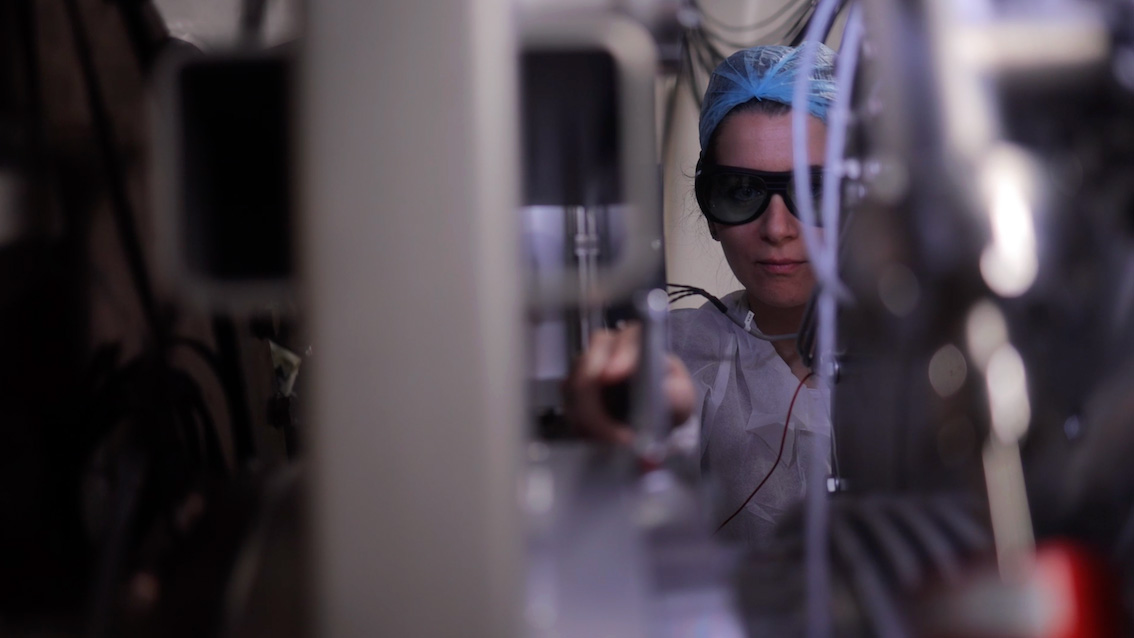
INFN celebrates the STEM WEEK and the International Day of Women and Girl in Science 2025

International Year of Quantum Science and Technology, 2025
03 February 2025
Read more International Year of Quantum Science and Technology, 2025

A new generation of plastic scintillators thanks to 3d printing
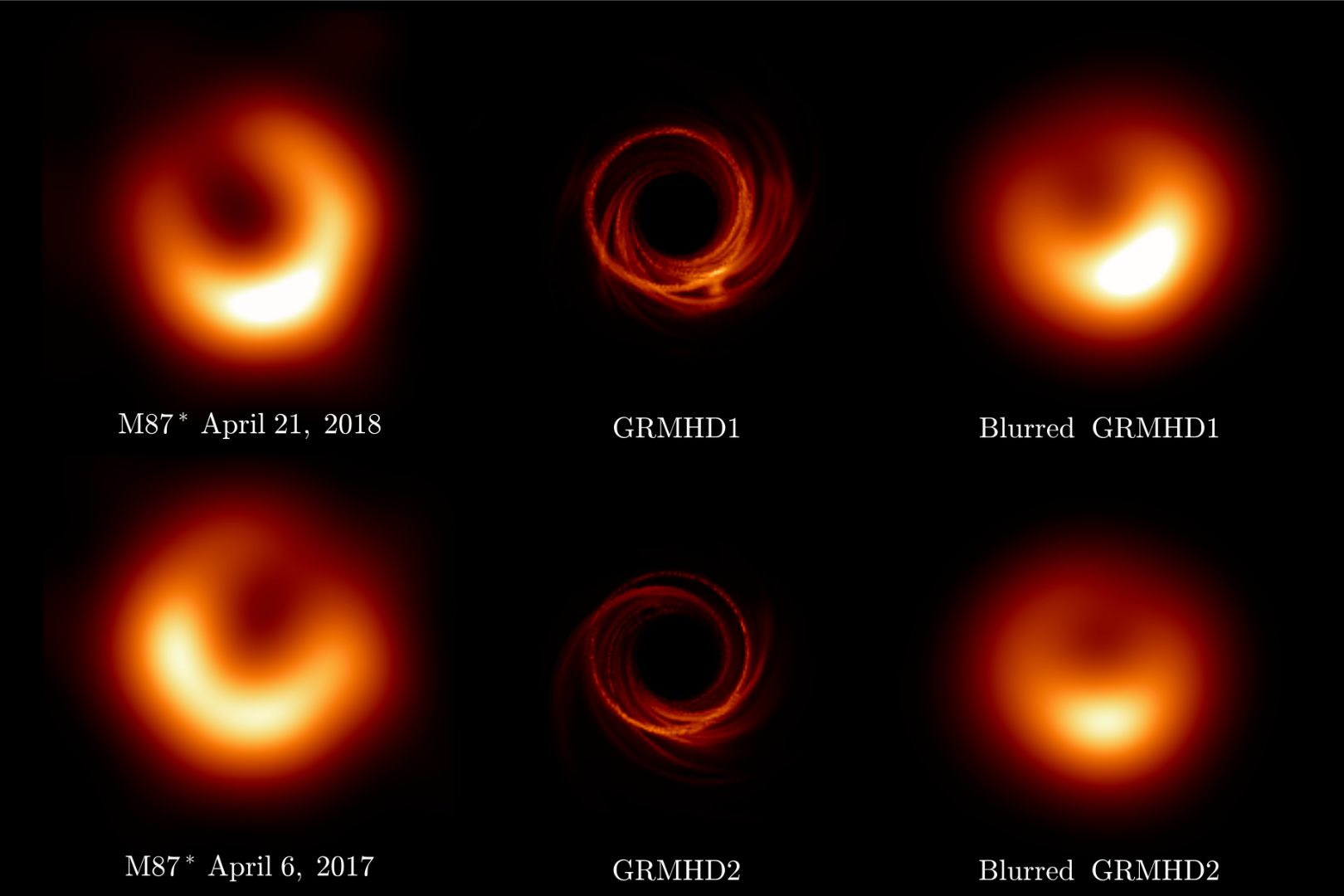
Capturing the accretion flow of M87* black hole
22 January 2025
Read more Capturing the accretion flow of M87* black hole