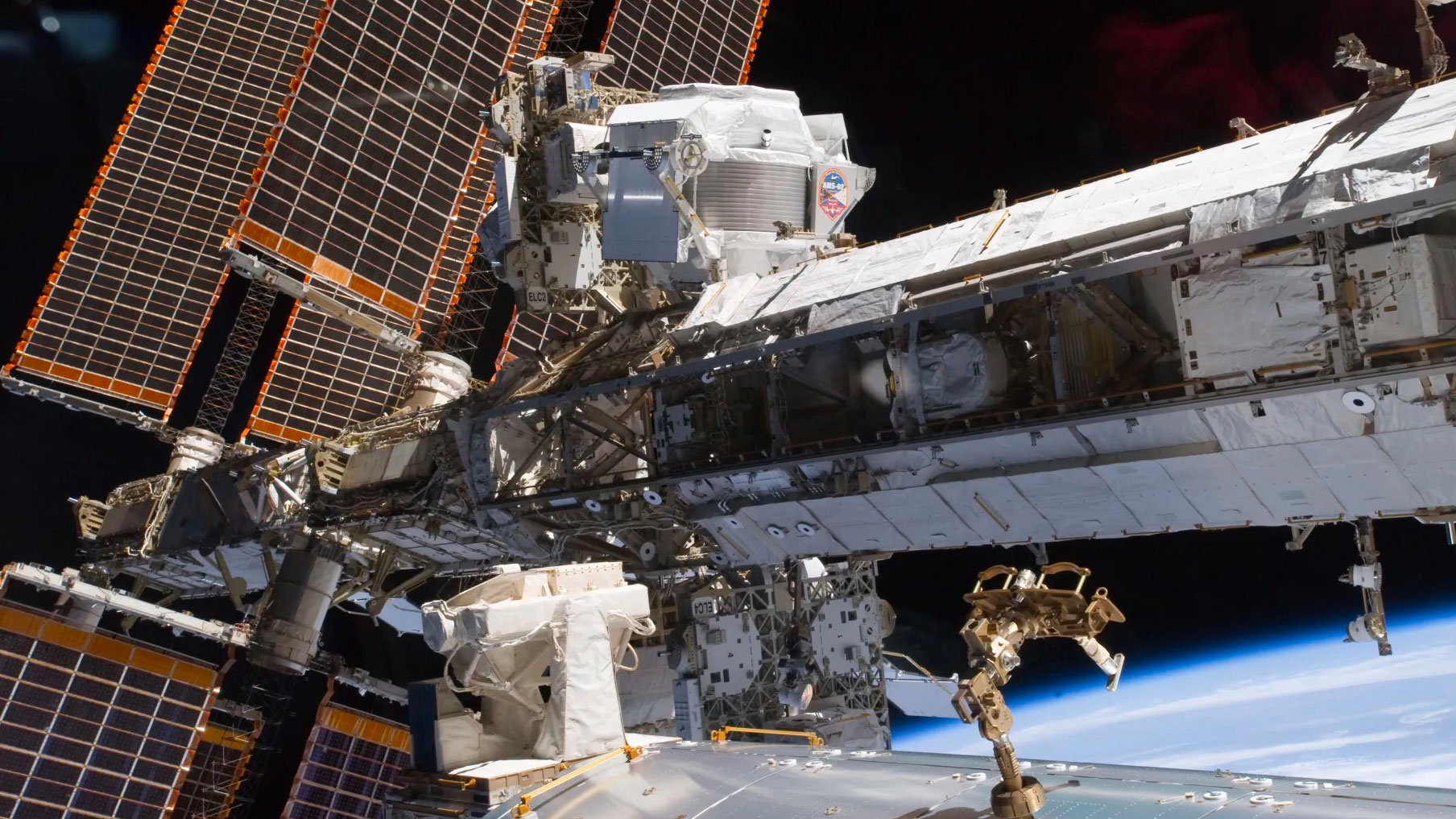
 In a paper published on 25 June in the journal Physical Review Letters, the scientific collaboration of the AMS mission operating since 2011 on the International Space Station has cross-referenced the capabilities of several sub-detectors to distinguish particles with similar charge but different mass in cosmic rays. Four nuclear species – protons, deuterium nuclei (called deuterons and consisting of 1 proton and 1 neutron), helium-3 nuclei (consisting of 2 protons and 1 neutron) and helium-4 nuclei (2 protons and 2 neutrons) – were separated with great precision, and the properties of the rarest species, deuterons and helium-3 nuclei, were measured. Deuterons and helium-3 are found in significant quantities in cosmic rays, because they are mostly produced by energetic helium-4 nuclei which, when striking interstellar gas, produce these lighter fragments. AMS observed, however, that their common origin does not translate into a similar dependence of the flux intensity on their energy: deuterons and helium-3 nuclei behave differently. The difference between deuterons and helium-3 is not predicted by current theoretical models and would suggest the presence of an additional source of deuterons. The source has not yet been identified, but confirmation of its presence could lead to further progress in understanding the mechanisms of cosmic ray origin, acceleration and propagation.

The record neutrino observed by KM3NeT
07 February 2025
Read more The record neutrino observed by KM3NeT

INFN celebrates the STEM WEEK and the International Day of Women and Girl in Science 2025

International Year of Quantum Science and Technology, 2025
03 February 2025
Read more International Year of Quantum Science and Technology, 2025

A new generation of plastic scintillators thanks to 3d printing
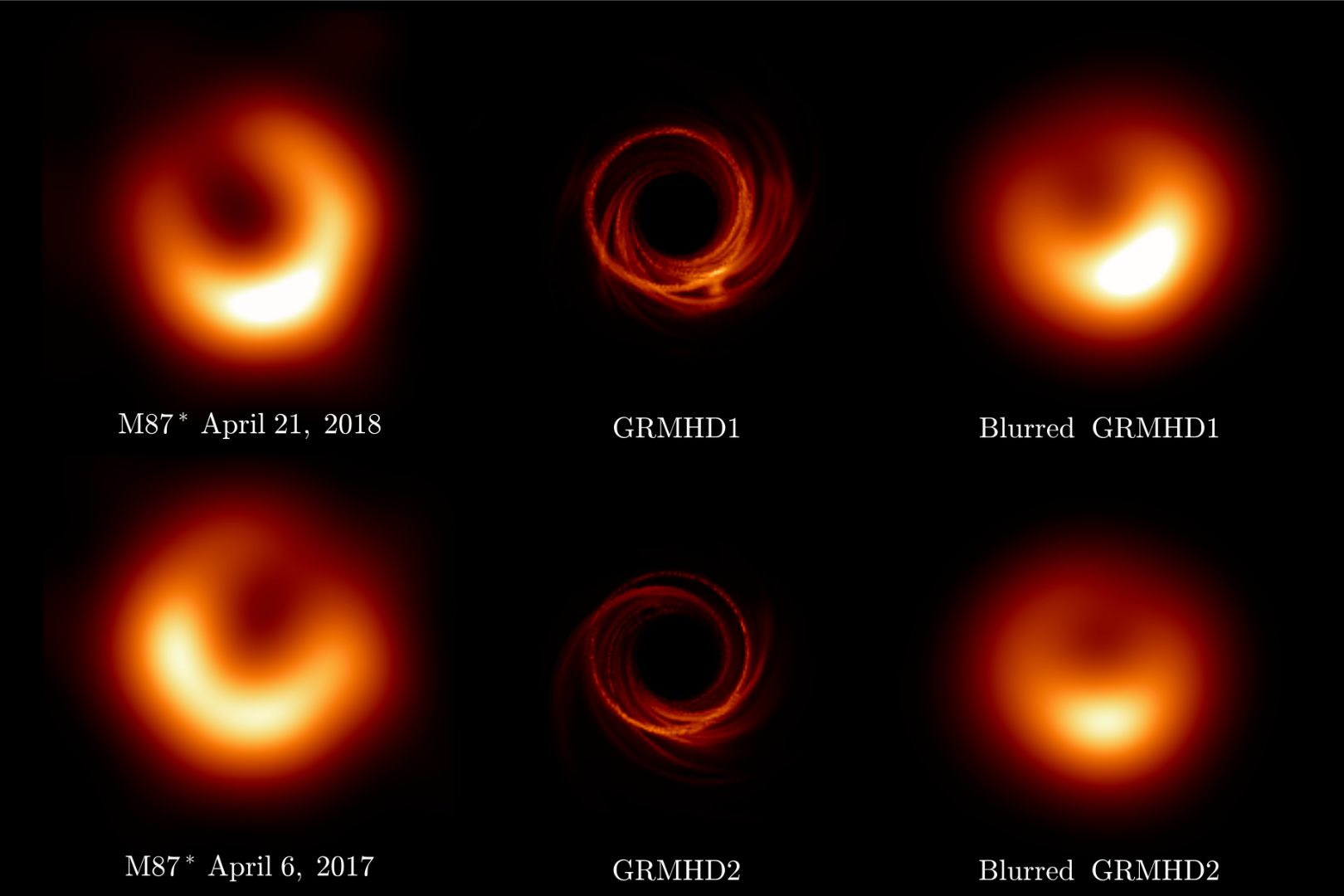
Capturing the accretion flow of M87* black hole
22 January 2025
Read more Capturing the accretion flow of M87* black hole