On 1 September in Hamburg, the European XFEL, the European super microscope implemented also thanks to the Italian contribution with INFN, was inaugurated. This is a free electron laser that will allow the structure of macromolecules in action to be observed. Unlike traditional techniques for determining the structure of a macromolecule through X-rays, the European XFEL can also analyse non-crystallised macromolecules. This is a significant advantage since, in addition to allowing macromolecular structures that are difficult to crystallise to be observed, it allows photographs of macromolecules at different moments in their lives to be taken. And collecting many different photos of the same molecule, one can obtain a video of the motion of the macromolecule in activity, be it an enzyme, a virus or a catalyst. The laser is 2.1 km long. It generates X-rays by accelerating free electrons along a 1.7 km tunnel and curving the path of these electrons through a series of magnets. The radiation emitted is very intense, the affected specimens emit many photons that allow the atomic structure of the macromolecule analysed to be identified. The radiation is so intense that the specimens are then destroyed. INFN has made a fundamental contribution to the implementation of the electron accelerator by developing some of the key elements at LASA laboratory in Milan, such as the photoemissive source of cold and intense electrons, the superconductive acceleration modules and the third harmonic system for the linearisation of the beam. The European XFEL had a total cost of 1.2 billion euros and Italy contributed to the project with a funding of approx. 40 million euros, allocated by MIUR and mediated by INFN. The first experiments of the European free electron laser will start in September 2017.

The record neutrino observed by KM3NeT
07 February 2025
Read more The record neutrino observed by KM3NeT
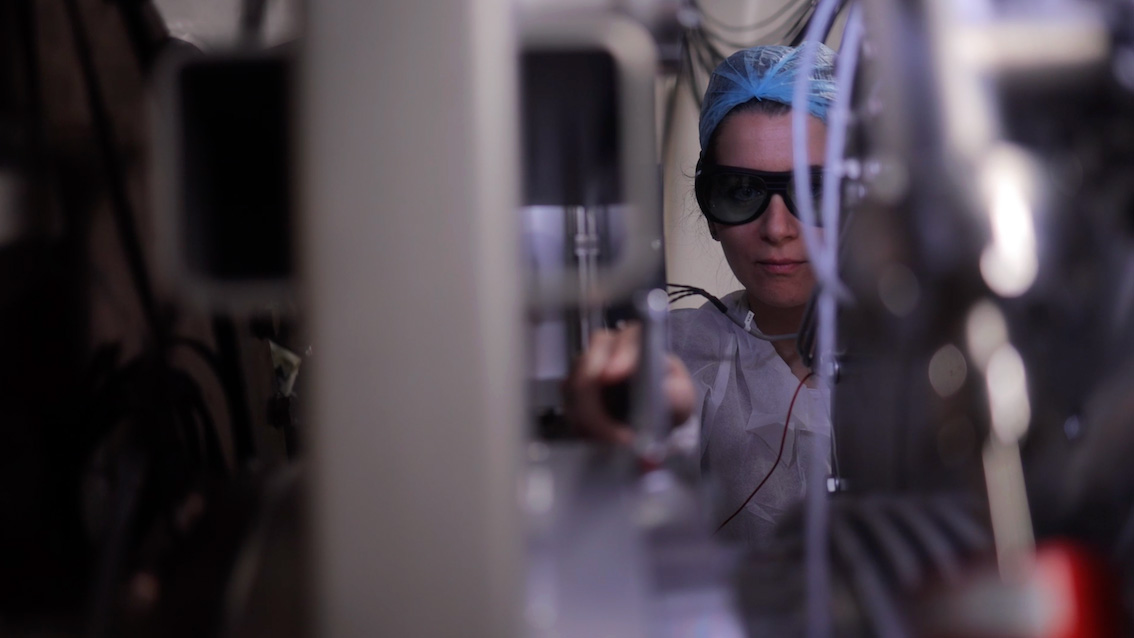
INFN celebrates the STEM WEEK and the International Day of Women and Girl in Science 2025

International Year of Quantum Science and Technology, 2025
03 February 2025
Read more International Year of Quantum Science and Technology, 2025

A new generation of plastic scintillators thanks to 3d printing
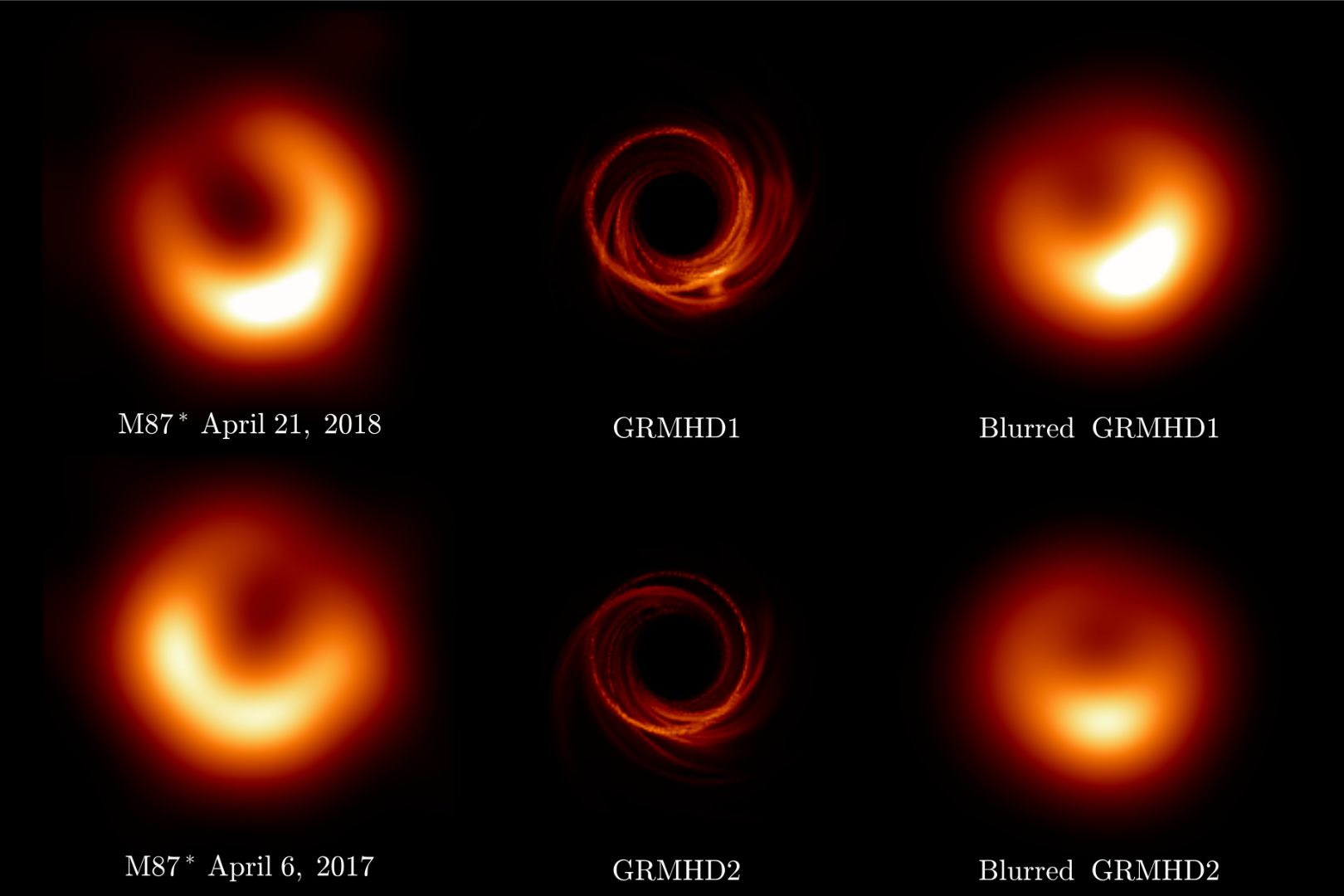
Capturing the accretion flow of M87* black hole
22 January 2025
Read more Capturing the accretion flow of M87* black hole